





Trump’s Radical Politics Collide With America’s Economic Anger
The Democratic victory in the 2026 U.S. midterm elections was not simply a reaction to economic indicators or disagreements over foreign policy. It also revealed the political consequences of a growing emotional divide between the White House and significant sections of the American electorate.
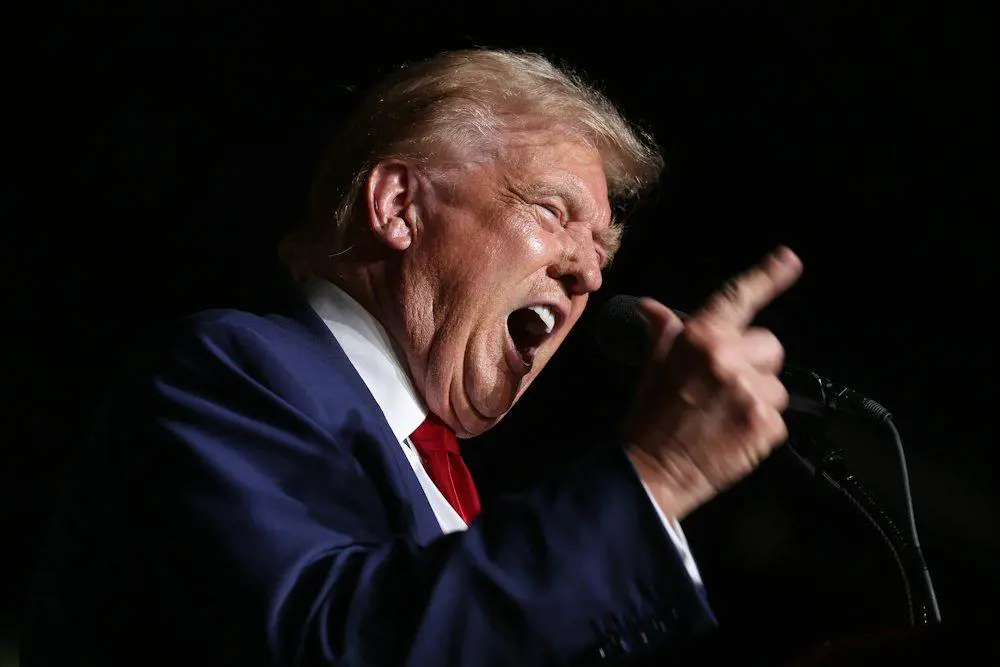
Donald Trump’s confrontational leadership style, combined with rising fuel prices and increasing household expenses, created a political environment in which economic frustration increasingly became personal dissatisfaction with presidential leadership.
The results suggest that voters were evaluating not only what the administration had achieved, but also how it exercised power and responded to public concerns.
When Political Aggression Becomes a Liability
Trump's political strategy has long relied on confrontation, polarization and an uncompromising public image. This approach can strengthen loyalty among supporters who interpret assertiveness as political strength. However, the same approach carries risks when economic conditions deteriorate.
When households experience higher fuel prices, expensive groceries and increasing utility bills, they often expect political leaders to demonstrate responsiveness, accountability and an ability to address immediate problems.
A highly confrontational political style may become counterproductive in this environment. If public communication appears dismissive of economic hardship or focuses on political opponents rather than household concerns, frustration can evolve into a broader perception that the administration is disconnected from everyday life.
The problem is not simply radical rhetoric. It is the gap between the intensity of political messaging and the practical expectations of citizens.
The Psychology of Economic Frustration
Fuel prices have a distinctive psychological impact because they are highly visible and frequently encountered. Unlike many economic indicators, gasoline prices are displayed publicly and experienced repeatedly.
Every visit to a gas station can reinforce the perception that household finances are deteriorating. Transportation costs also influence the prices of goods and services, meaning that fuel inflation can become a visible symbol of a much wider affordability crisis.
This creates what can be described as cumulative economic frustration: a process in which repeated financial pressures gradually weaken public confidence in political leadership.
The problem becomes more serious when citizens believe that these pressures are connected to government decisions. In this case, the war with Iran provided a direct political narrative linking foreign policy, energy market disruption and domestic financial hardship.
From Dissatisfaction to Electoral Punishment
The 2026 results indicate that economic dissatisfaction was accompanied by a broader desire to limit presidential power. Reuters reported that approximately three-quarters of voters were angry or dissatisfied with the direction of the country, while around 70 percent wanted Congress to act as a check on presidential authority.
These findings suggest that the election was not only about economic performance. It also reflected concerns about institutional balance, political conduct and the concentration of executive power.
For some voters, supporting Democratic candidates may have represented a practical way to introduce political constraints on an administration they considered too confrontational or insufficiently responsive.
This is an important distinction: voters do not necessarily need to embrace the entire opposition platform to vote against the governing party. Sometimes, electoral decisions are driven primarily by the desire to correct what citizens perceive as an unacceptable political direction.
A Strategic Warning for Political Leadership
The Democratic victory presents a serious challenge to Trump's governing strategy. Control of Congress will strengthen institutional oversight and make the administration's legislative agenda more difficult to advance.
More importantly, the election demonstrates the limits of political mobilization based primarily on confrontation. Strong rhetoric can maintain a loyal political base, but it cannot indefinitely compensate for declining purchasing power or growing public anxiety.
The central lesson is that political authority depends not only on the ability to command attention, but also on the ability to demonstrate economic competence, emotional responsiveness and institutional responsibility.
In the end, many voters may tolerate political conflict, but they are considerably less willing to accept a persistent deterioration in their everyday economic security.