





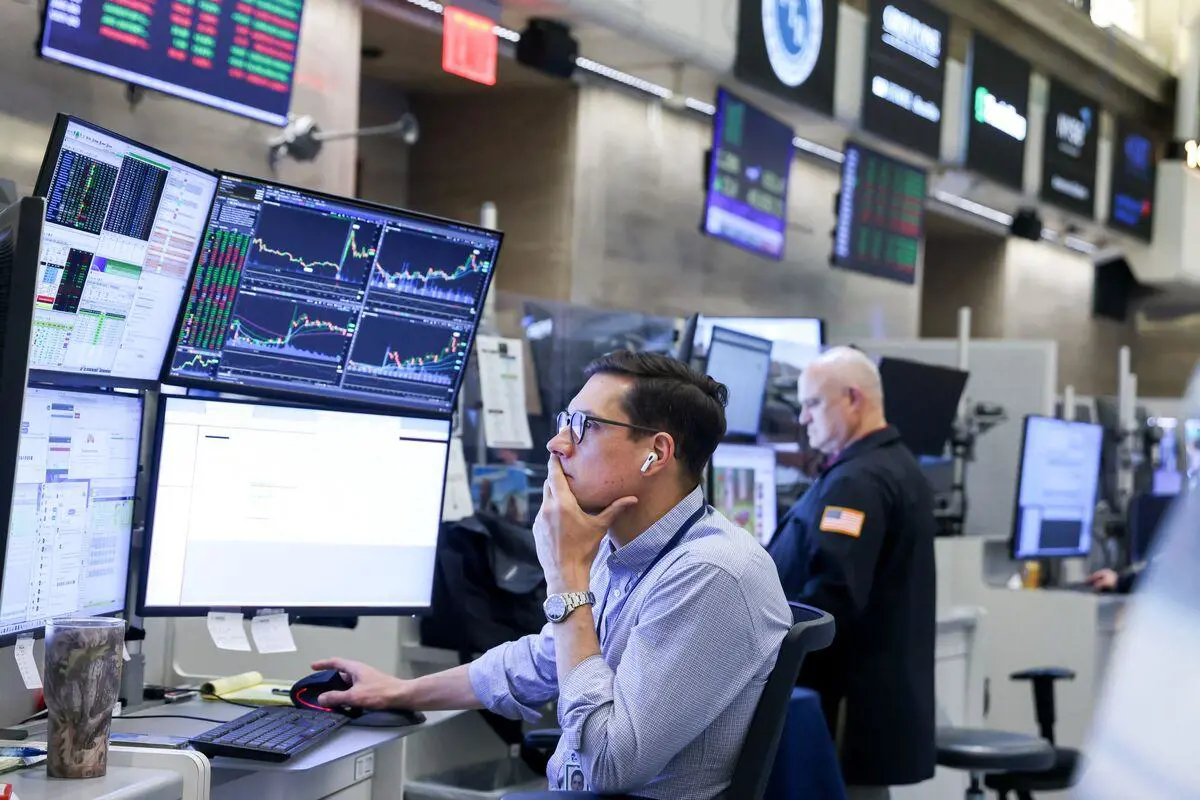
The Psychology of Trading Discipline: Why the Mind Matters More Than the Strategy
The Hidden Psychology Behind Trading Performance
In financial markets, having a good trading strategy does not necessarily guarantee good results. Two traders may use the same indicators, follow similar market conditions, and identify the same opportunities, yet achieve significantly different outcomes. One of the most important explanations lies in their psychological discipline.
Trading is a decision-making activity conducted under uncertainty. Every market movement creates new information, but it also generates emotional pressure. Fear, greed, overconfidence, frustration, and the desire to recover previous losses can influence decisions, often causing traders to abandon their original strategies.
Research in behavioral finance confirms that emotional reactions and weaknesses in self-control can significantly affect trading behavior. A study published in the American Economic Review found that day traders who experienced stronger emotional reactions to financial gains and losses tended to demonstrate poorer trading performance. Other research has connected disciplined trading practices, particularly adherence to predetermined exit strategies, with better subsequent performance.
Why Discipline Is a Scientific Skill
Discipline should not be understood as the complete elimination of emotions. Human beings cannot simply switch off fear or excitement. Instead, effective discipline involves recognizing emotional reactions and preventing them from automatically controlling decisions.
This distinction is important. A disciplined trader does not necessarily feel less pressure than others; rather, the trader develops methods to respond to that pressure more rationally.
Research on professional traders has identified emotion-regulation strategies as an important element of decision-making. Experienced, higher-performing traders were more likely to use techniques such as redirecting attention and reframing difficult experiences instead of reacting impulsively.
Building a Disciplined Trading Mindset
Developing discipline requires structured practice. Traders should establish clear entry and exit conditions before entering positions, define acceptable risk levels, maintain a trading journal, and regularly evaluate whether their decisions followed their plans.
Equally important is learning to accept losses as a normal feature of uncertain markets. Attempting to recover losses immediately can lead to excessive trading, unnecessary risk-taking, and emotional decision-making.
The Psychotrade Academy Perspective
At Psychotrade, discipline should be treated as a learnable professional competency rather than an inherited personality trait. Education in trading psychology must therefore complement technical and financial training.
The objective is not to promise perfect decisions or guaranteed profits. It is to develop traders who understand their behavioral patterns, recognize psychological risks, and make more consistent decisions.
Ultimately, successful trading requires more than understanding the market. It requires understanding the person making the trade.