





Research & Publications Hub
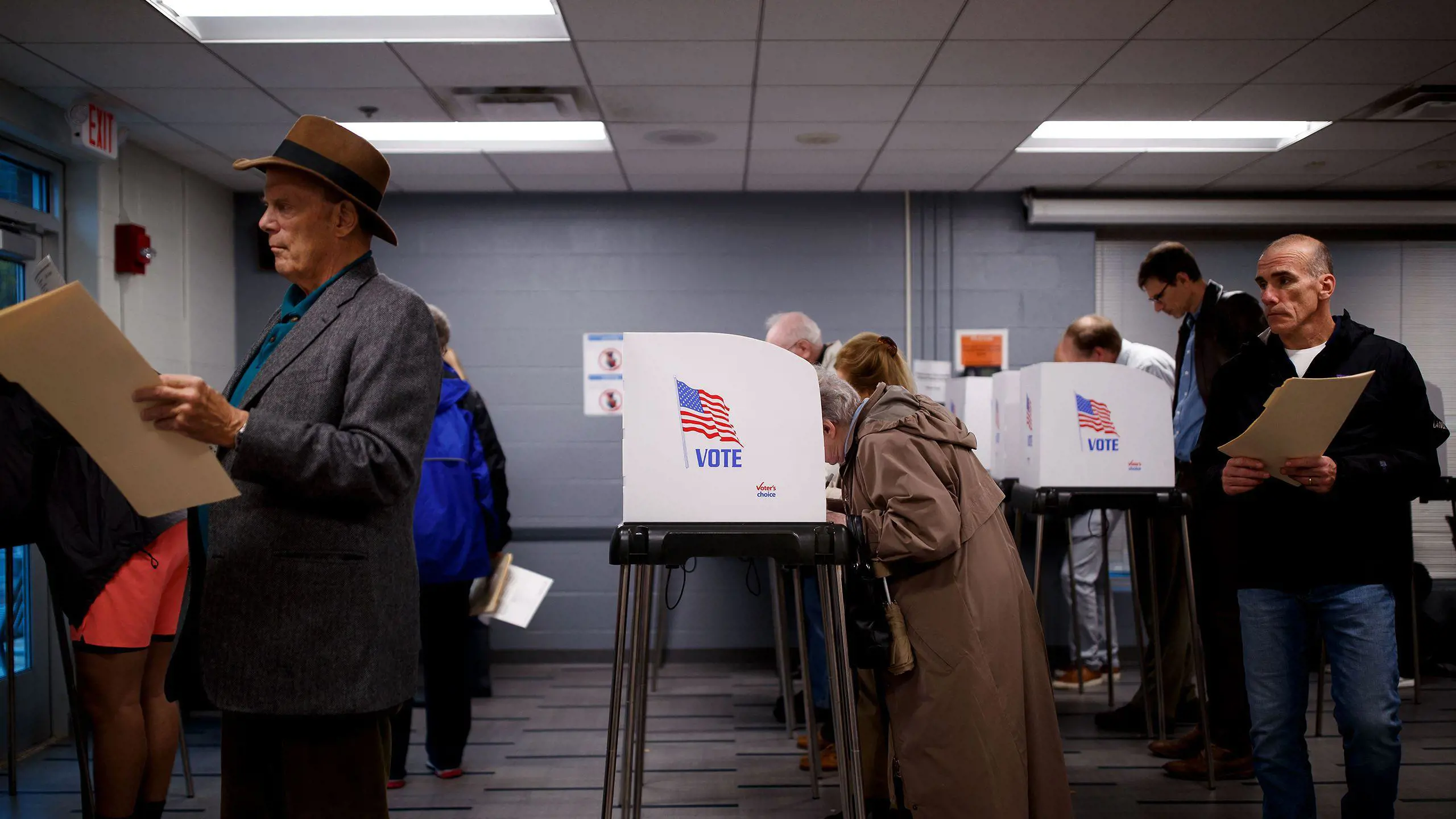
How American Politics Moves Global Markets
How do political victories influence global investor psychology? The 2026 U.S. midterm elections reveal how fear, uncertainty, collective behavior, and changing expectations can reshape financial markets, investment decisions, currencies, and global economic confidence.

Wealth Does Not Guarantee Social Stability / Lessons from Switzerland
Recent unrest in Switzerland challenges the assumption that economic prosperity guarantees social stability. Rising housing costs, healthcare expenses and generational economic pressures reveal why even wealthy societies must address growing public expectations and concerns about the future.
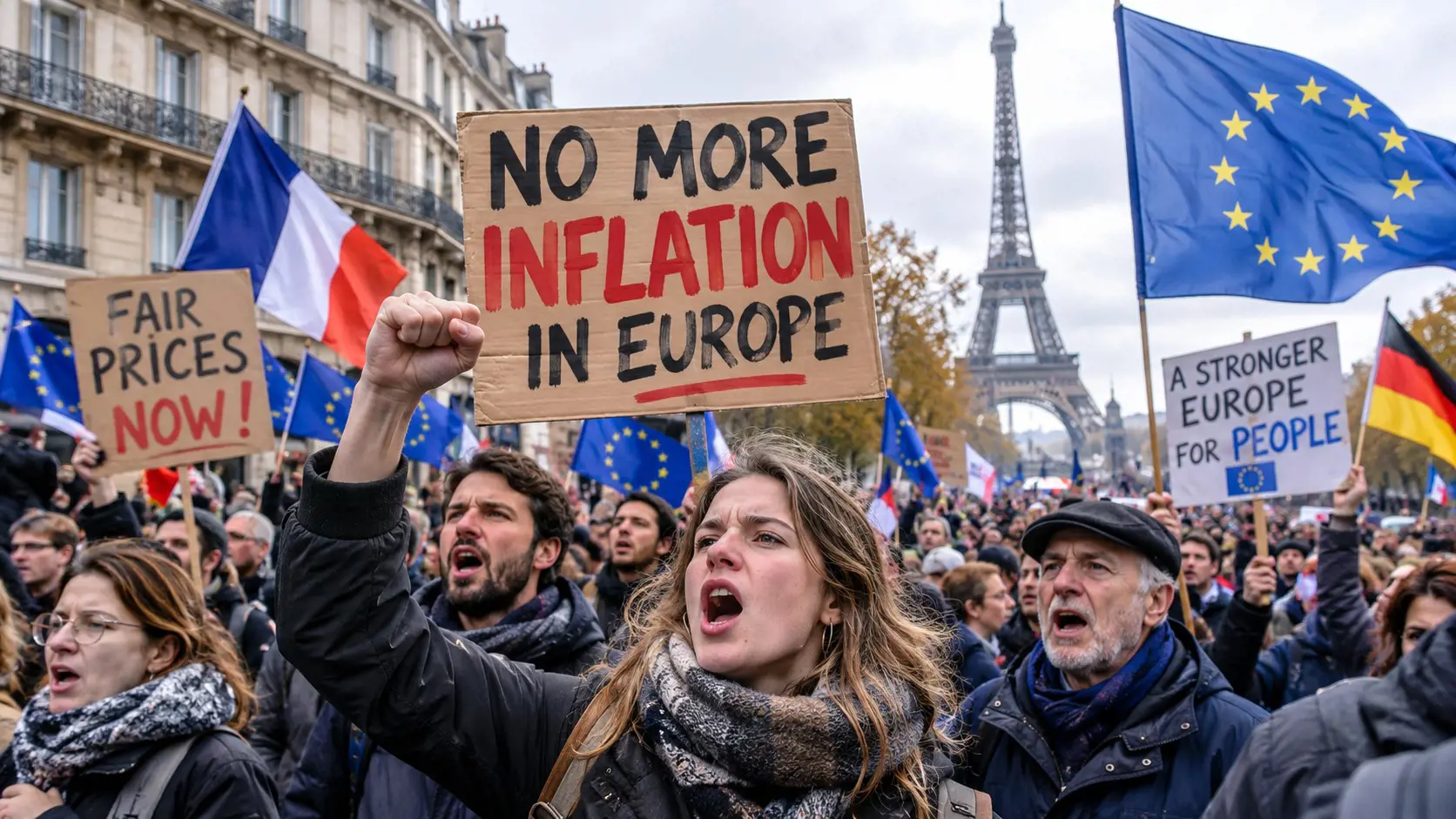
Europe and the Roots of Growing Social Discontent
Rising living costs, housing insecurity, economic inequality and declining public confidence are intensifying social tensions across Europe. WBO examines the underlying causes and proposes practical economic and social reforms to restore public confidence and strengthen European stability.
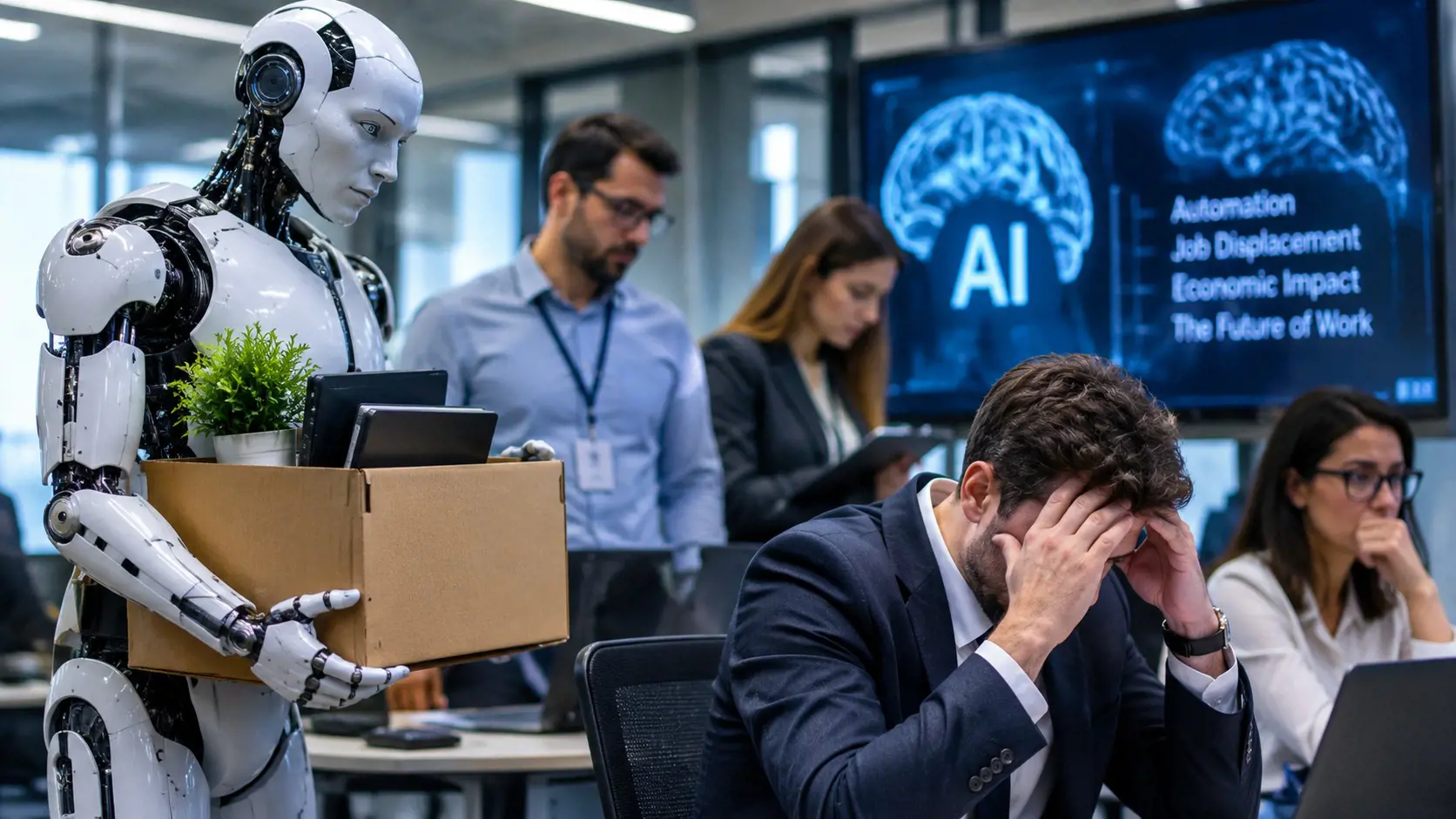
The Psychological Cost of the AI Revolution
The rapid expansion of artificial intelligence is transforming more than employment and financial markets. Growing job insecurity, professional identity concerns, workplace isolation, and psychological pressure are creating a new dimension of economic risk for workers and businesses worldwide.

When More Choice Makes Your Business Harder to Buy From
Discover how too many choices can overwhelm customers, increase decision difficulty, and make purchasing more challenging. Learn how simplifying your offerings can reduce uncertainty, build customer confidence, and improve the buying experience.

The Psychology of UNGA 2026 Markets
How speeches, geopolitical signals and uncertainty at UNGA 2026 are influencing investor sentiment, risk perception and expectations across global markets.

From Competition to Strategic Interdependence
Global competition is no longer defined by isolation or simple rivalry. As economies become increasingly interconnected, countries and businesses must compete while managing critical dependencies across trade, technology, capital, energy, and supply chains. This research examines the rise of strategic interdependence and its implications for the future of global commerce.

The Psychology Behind Economic Decisions
Economic decisions are shaped by far more than numbers. This research explores how psychology, emotions, cognitive biases, risk perception, and human behavior influence markets and commercial decisions, and examines how WBO integrates behavioral intelligence into its approach to modern global commerce.